
Carbon Fiber Air Shafts: The Ultimate Lightweight Solution for High-Speed Winding
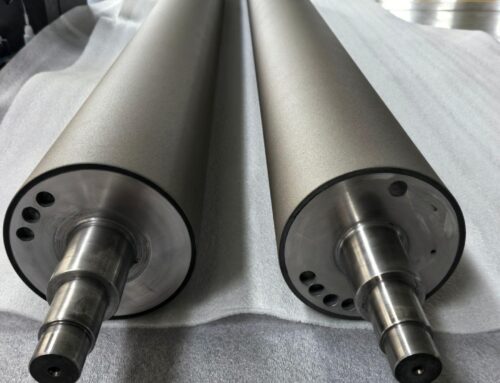
En Composites E-YOUNG, we understand that in the converting, printing, and packaging industries, efficiency is everything. Our Carbon Fiber Air Shafts are engineered to replace heavy traditional steel shafts, offering a significant upgrade in performance, operator safety, and machine speed.
Whether you are running a high-speed slitter rewinder or a delicate laminating process, our carbon fiber pneumatic shafts deliver the critical rigidity and low weight necessary to optimize your production line.
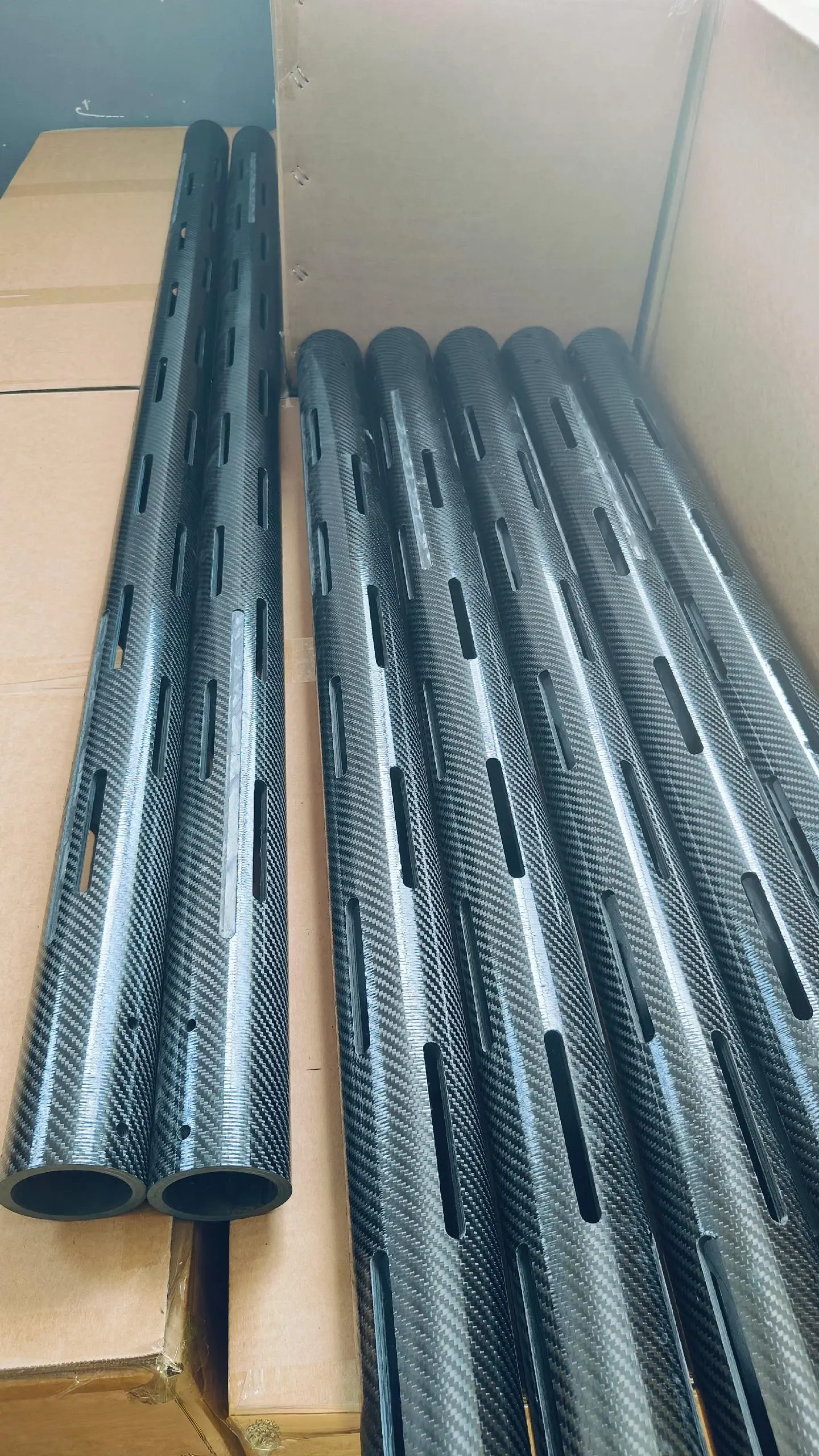
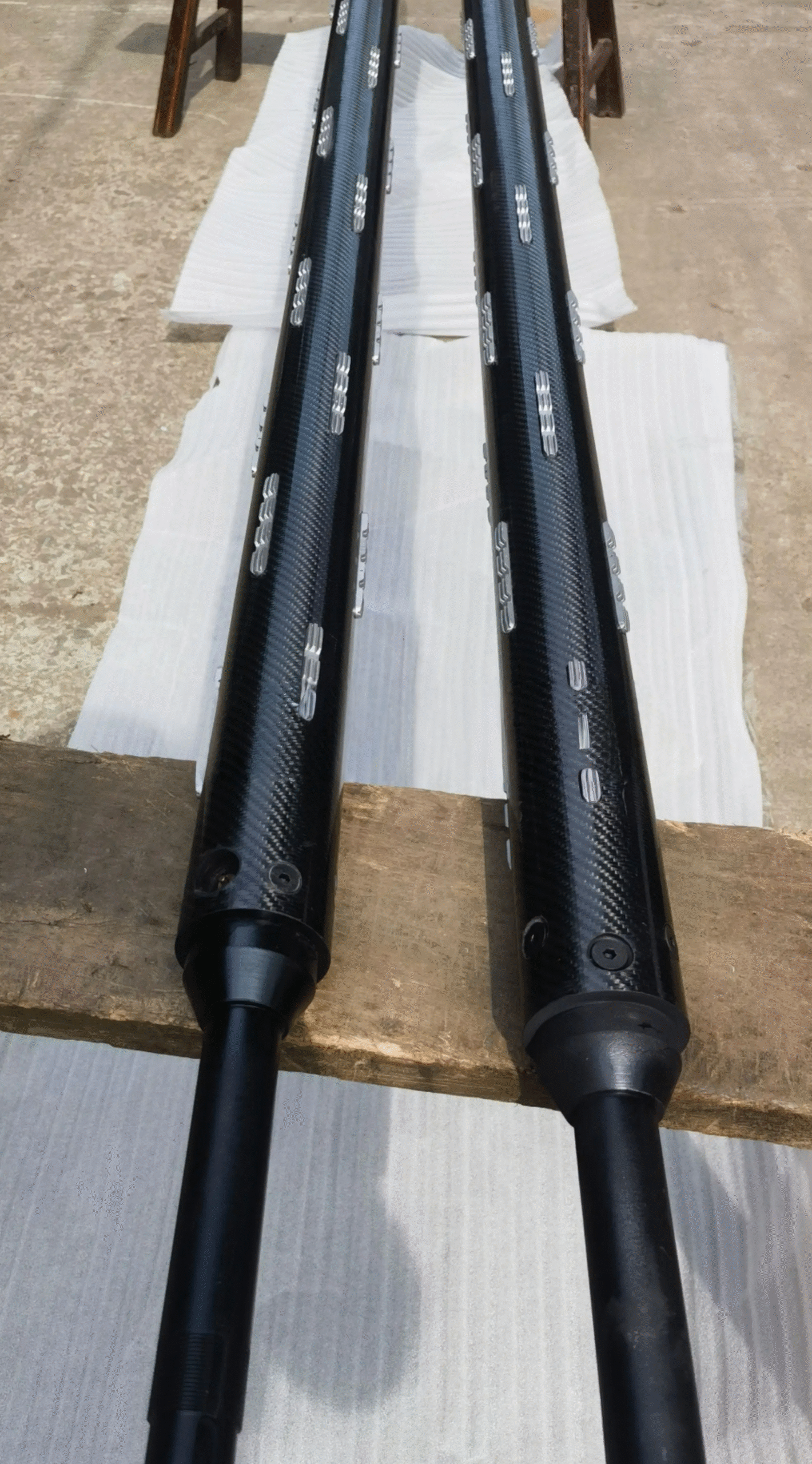
Why Switch to Carbon Fiber Air Shafts?
Our carbon fiber shafts are approximately 75% lighter than steel y 30-40% lighter than aluminum equivalents. This massive weight reduction allows a single operator to lift and change shafts without mechanical aids, significantly reducing changeover times and the risk of back injuries (ergonomics).
1. Drastic Weight Reduction
Traditional steel air shafts are heavy, cumbersome, and prone to vibration at high critical speeds. By utilizing advanced composite materials, E-YOUNG provides a solution that addresses the most common pain points in web handling.
2. Higher Critical Speeds
Carbon fiber has a high stiffness-to-weight ratio. This natural property reduces centrifugal force and “whip” at high rotations. You can run your machines faster with less vibration, resulting in higher output and better roll quality.
3. Energy Efficiency
Because the shaft is lighter, your motors require less torque to accelerate and decelerate. Over time, this translates to reduced energy consumption and less wear and tear on your drive components and bearings.
4. Custom Engineering
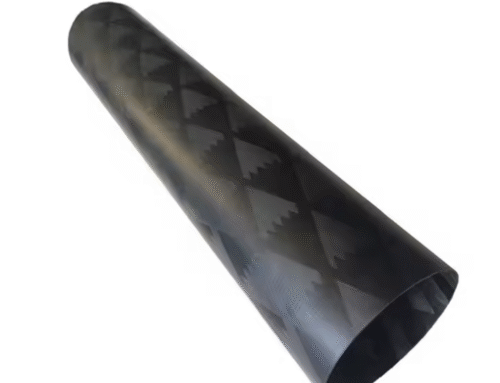
We do not just sell off-the-shelf parts; we engineer solutions. We can customize the carbon fiber layup structure to meet your specific load-bearing (torque) and deflection requirements.
Especificaciones técnicas
We tailor every shaft to your machinery. However, our standard capabilities include:
| Característica | Especificación |
|---|---|
| Tube Material | High-Modulus Carbon Fiber Composite |
| Journal Material | Hardened Steel or Aluminum (Customizable) |
| Expansion Type | Lug Type (Key) or Leaf Type (Strip) |
| Standard Diameters | 3″ (76mm), 6″ (152mm), and Custom Sizes |
| Acabado superficial | Smooth, Matte, or Abrasion Resistant Coating |
| Temperature Resistance | Standard or High-Temp Resin Systems available |
| Inflation System | Pneumatic (Air valve location customizable) |
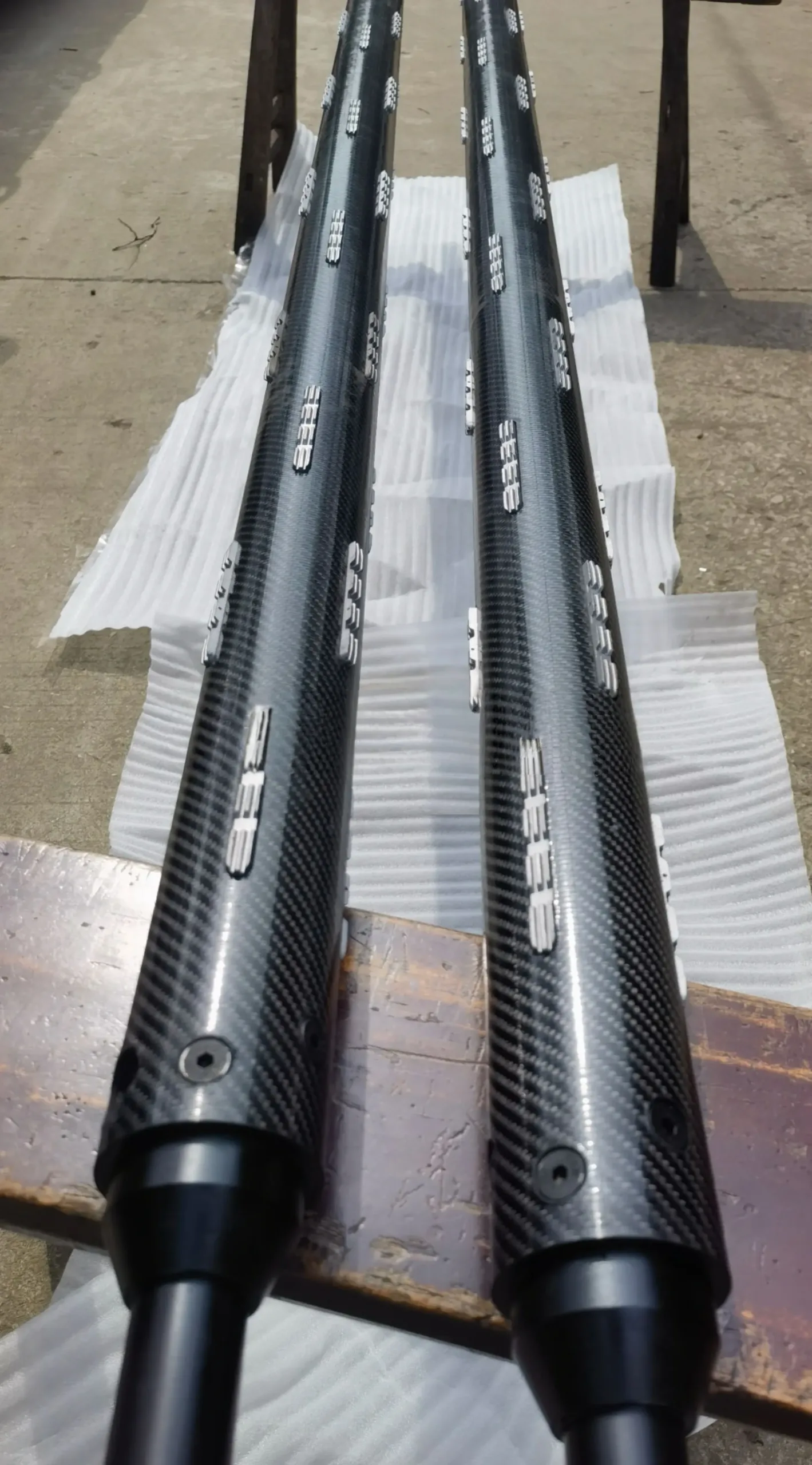
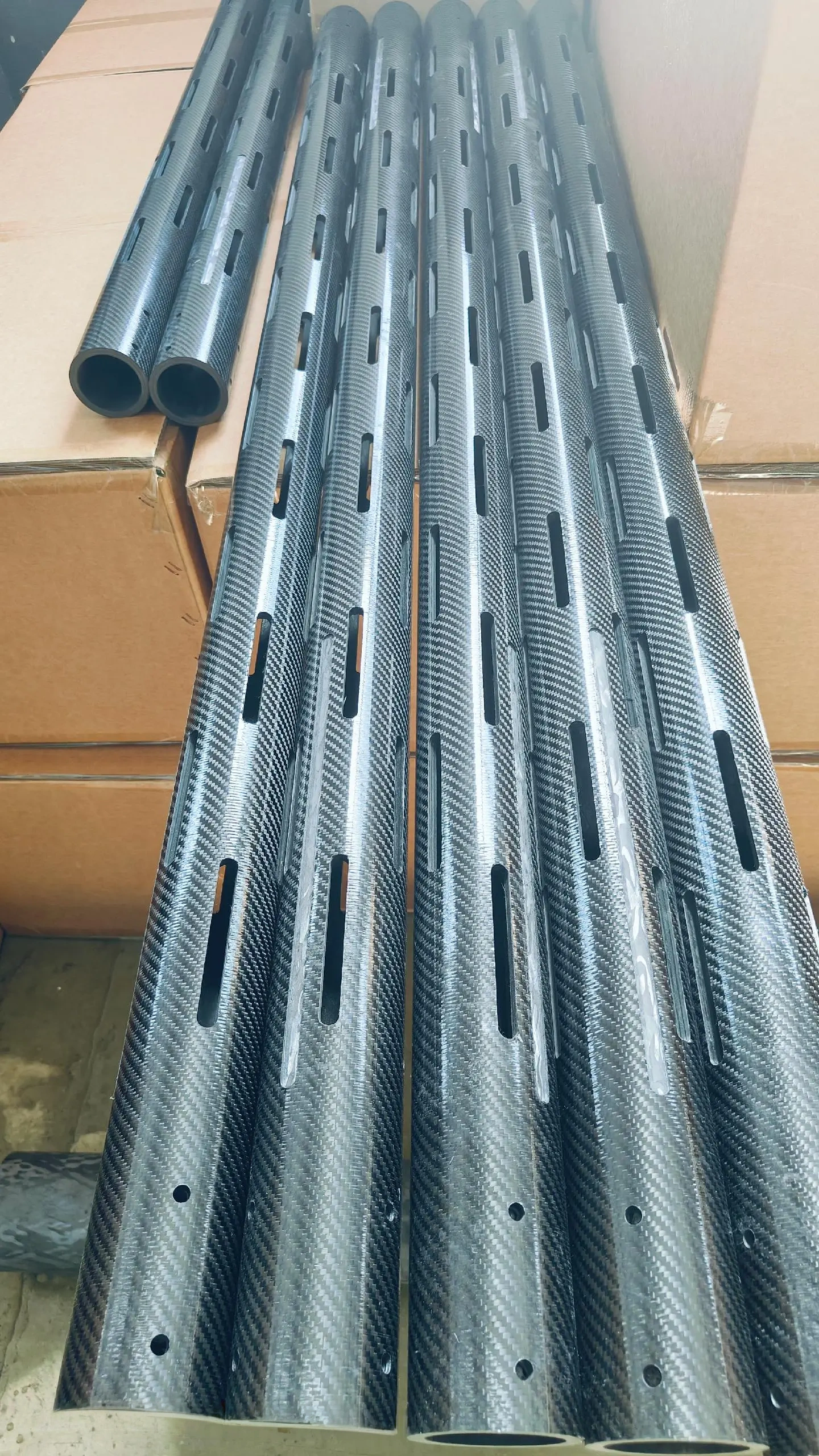
Comparison: Carbon Fiber vs. Steel vs. Aluminum
Unsure if the investment is worth it? Here is how the materials stack up:
-
Steel: High durability and low cost, but extremely heavy. Dangerous for operators to handle manually and limits machine speed due to vibration.
-
Aluminum: Lighter than steel, but suffers from “fatigue.” Over time, aluminum bends and loses shape under heavy loads, leading to poor roll quality.
-
Carbon Fiber (E-YOUNG): The lightest option with zero permanent deformation (it returns to straightness after load). It absorbs vibration rather than transmitting it, ensuring perfect web tension.
Aplicaciones
Our clients use E-YOUNG Carbon Fiber Air Shafts across various sectors:
-
Flexographic & Rotogravure Printing: For quick job changeovers.
-
Battery Manufacturing: For winding separator films and electrode foils.
-
Film & Foil Converting: Handling sensitive materials that require low vibration.
-
Papermaking: For heavy-duty core winding.
Preguntas más frecuentes (FAQ)
Q: Can you replicate my existing steel shaft in carbon fiber?
A: Yes. We simply need a drawing or the dimensions of your current shaft. We can manufacture the carbon body to match your existing journals and machine width.
Q: What is the lead time for a custom carbon fiber air shaft?
A: Lead times vary based on complexity, but we generally offer faster turnaround times than European competitors. Contact us for a specific timeline.
Q: Is carbon fiber durable enough for heavy rolls?
A: Absolutely. By adjusting the filament winding angle and wall thickness, we can engineer shafts capable of supporting very heavy roll weights while maintaining structural integrity.
Ready to Upgrade Your Production Line?
Stop letting heavy steel shafts slow down your operators and your machines. Switch to Composites E-YOUNG for a lighter, faster, and safer winding solution.
Contact us today for a free consultation and quote.
-
Correo electrónico: info@carbonfibercfk.com


 Spanish
  English
  Arabic
  German
  French
  Italian
  Dutch
Dutch  Swedish
  Portuguese
  Korean
