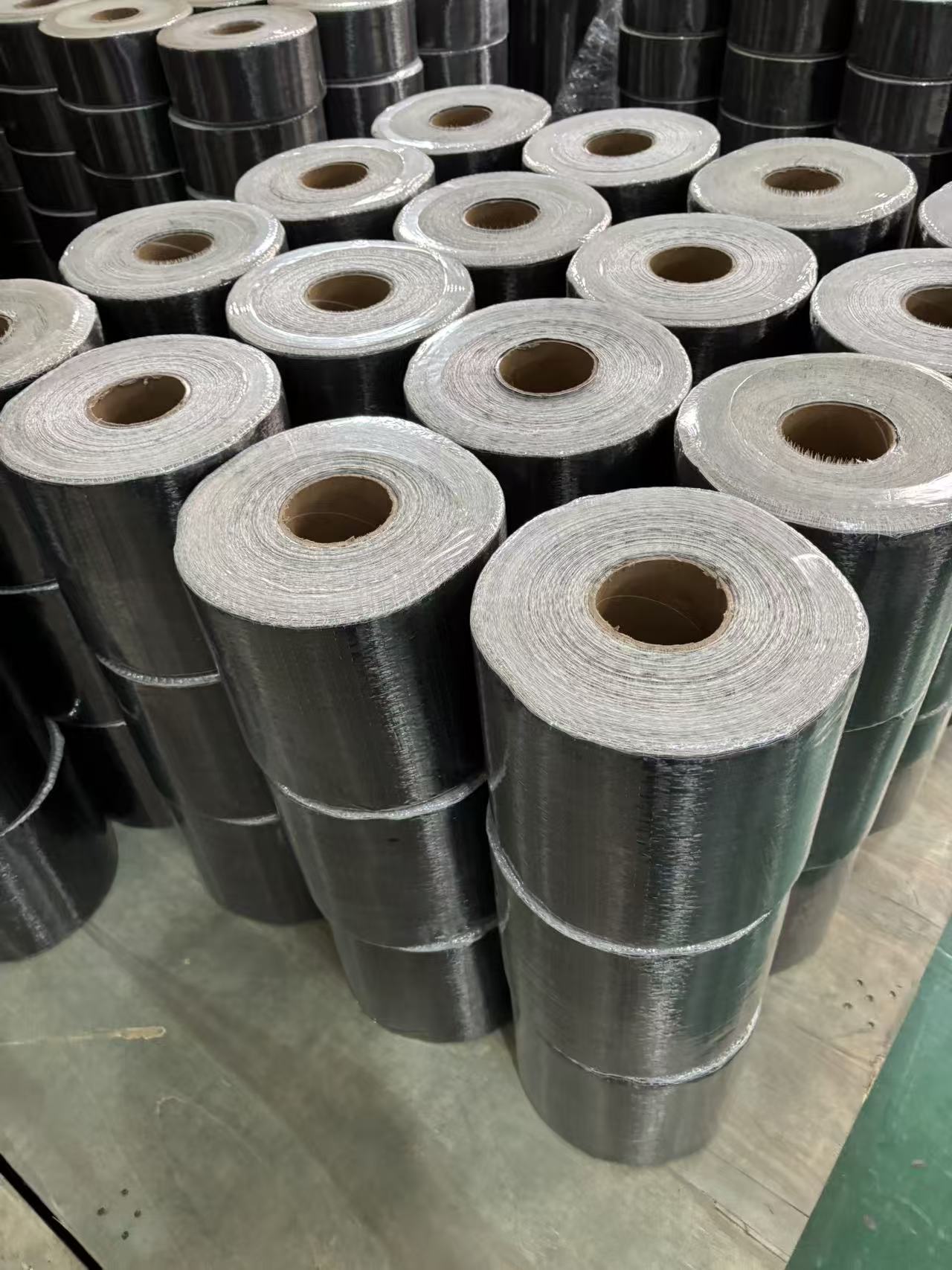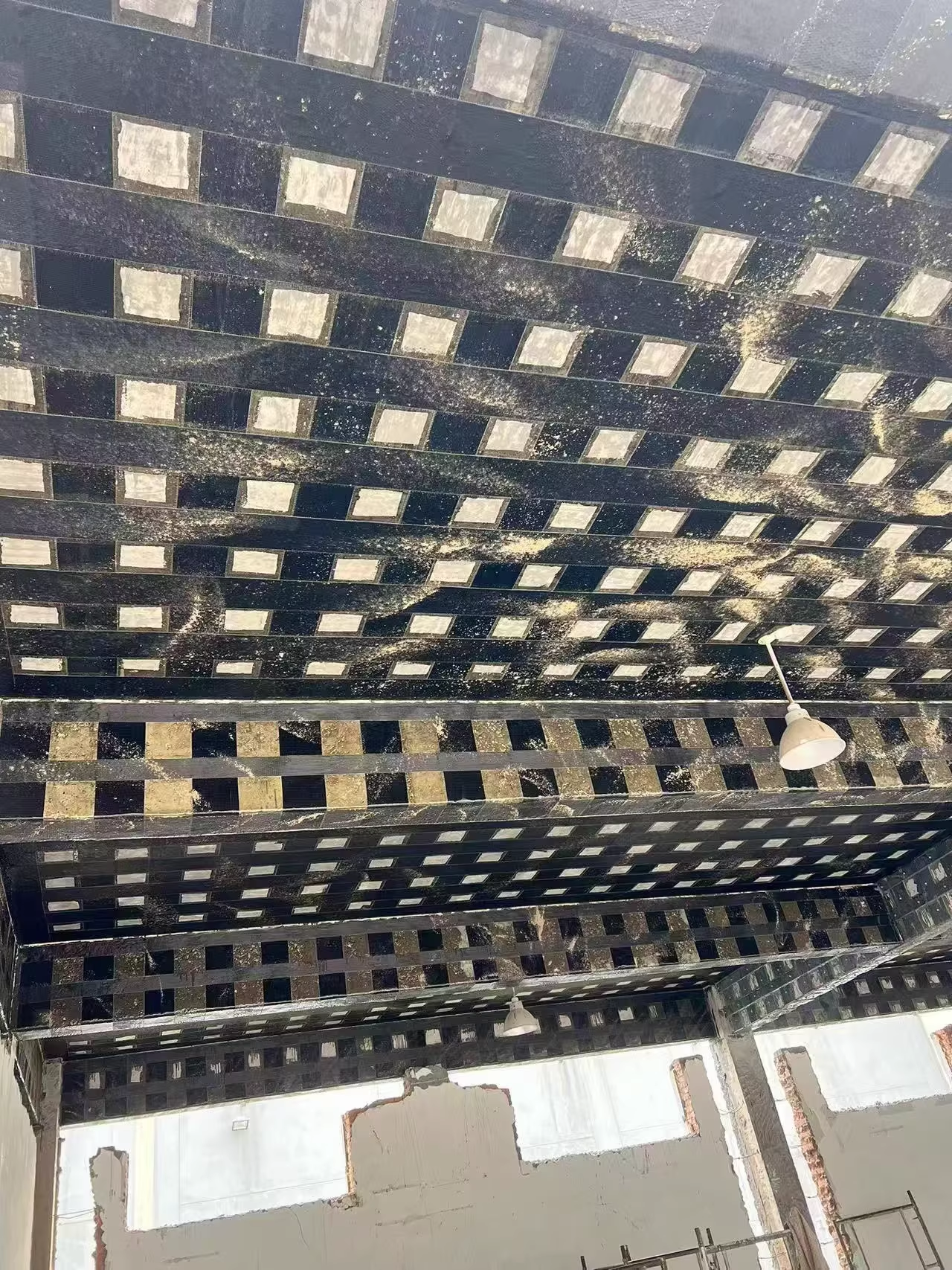
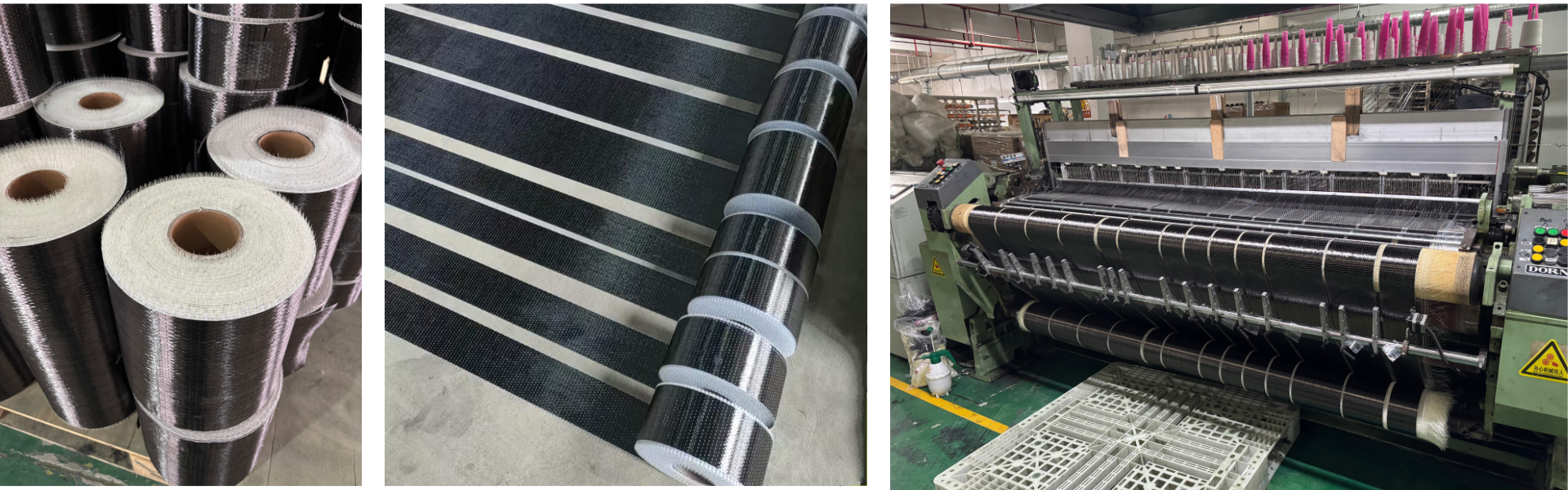
Carbon Fiber Fabric For Concrete Reinforcement is widely used in building repair, bridge strengthening, seismic retrofitting, and structural rehabilitation projects. When combined with epoxy resin, carbon fiber fabric forms a CFRP strengthening system that improves the load-bearing capacity, flexural strength, shear resistance, and durability of concrete structures.
Compared with traditional steel plate reinforcement, carbon fiber fabric is lightweight, corrosion resistant, easy to install, and suitable for complex construction environments. It is an effective solution for reinforcing existing concrete structures without significantly increasing structural weight.
What Is Carbon Fiber Fabric For Concrete Reinforcement?
Carbon fiber fabric is a high-strength reinforcement material made from continuous carbon fibers. In concrete reinforcement applications, it is usually bonded to the surface of concrete members using epoxy resin.
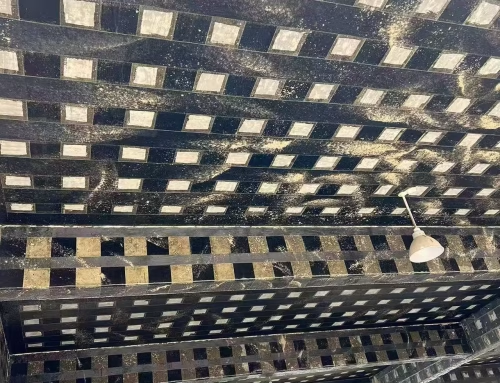
After curing, the carbon fiber fabric and resin form a strong CFRP composite layer. This layer works together with the concrete structure to improve tensile performance and structural capacity.
It is commonly used for:
- concrete beam reinforcement
- slab strengthening
- column wrapping
- bridge repair
- tunnel reinforcement
- seismic retrofitting
- industrial building rehabilitation
Why Use Carbon Fiber Fabric For Concrete Reinforcement?
Concrete structures may need reinforcement due to aging, cracks, design changes, increased load requirements, corrosion of steel reinforcement, or seismic upgrading. Carbon fiber fabric provides a modern and efficient solution for these problems.
Main advantages include:
- high tensile strength
- low added weight
- corrosion resistance
- easy on-site installation
- suitable for irregular surfaces
- fast construction process
- minimal impact on building appearance
- long-term durability
Because of these advantages, CFRP fabric has become one of the most popular materials for concrete repair and strengthening projects.
Technical Data
| Fastighet | Typical Value |
|---|---|
| Material | T700 Carbon Fiber |
| Common Areal Weight | 200 / 300 g/m² |
| Nominal Thickness | 0.111 / 0.167 mm |
| Draghållfasthet | ≥ 3400 MPa |
| Elastic Modulus | ≥ 240 GPa |
| Elongation at Break | ≥ 1.7% |
| Common Widths | 300 mm / 500 mm |
| Roll Length | 100 m |
| Custom Width | Available upon request |
For most concrete reinforcement projects, 300gsm carbon fiber fabric is one of the most commonly selected specifications because it offers a good balance between strength, thickness, and workability.
Applications in Concrete Reinforcement
Installation Method
The typical installation process includes:
- Surface preparation
- Primer application
- Epoxy resin application
- Carbon fiber fabric layup
- Rolling and impregnation
- Final curing
Proper surface preparation and complete resin impregnation are important to ensure reliable bonding performance and long-term structural strengthening results.
200gsm vs 300gsm Carbon Fiber Fabric
| Item | 200gsm Carbon Fiber Fabric | 300gsm Carbon Fiber Fabric |
|---|---|---|
| Arealvikt | 200 g/m² | 300 g/m² |
| Tjocklek | 0.111 mm | 0.167 mm |
| Reinforcement Level | Light to medium | Medium to high |
| Workability | Easier to apply | Good balance |
| Typical Use | Surface repair, slab reinforcement | Beam, bridge, structural strengthening |
Why Choose Our Carbon Fiber Fabric?
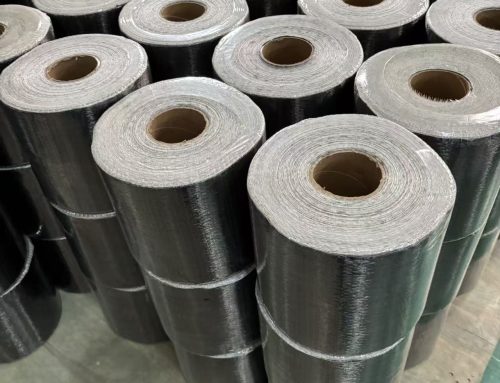
Our carbon fiber fabric is designed for structural strengthening and concrete reinforcement projects. It offers stable mechanical performance, reliable quality, and flexible roll size options.
Key product advantages:
- tensile strength ≥ 3400 MPa
- elastic modulus ≥ 240 GPa
- 200gsm and 300gsm available
- common widths 300 mm and 500 mm
- standard 100 m roll length
- custom widths available
- suitable for concrete, bridge, and building reinforcement
We support contractors, distributors, and engineering companies with carbon fiber fabric specifications, roll size options, and technical data for different reinforcement applications.


 Swedish
  English
  Arabic
  German
  Spanish
  French
  Italian
  Dutch
Dutch  Portuguese
  Korean